Digging the First Tunnels
The genesis of subterranean urban transit systems in the 19th Century.
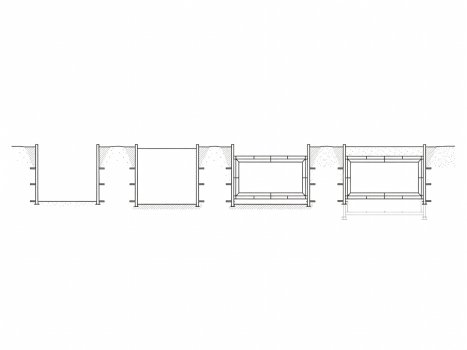
The Cut-and-Cover Technique
Before the advent of deep-level boring machines, the earliest underground railways relied on a brutally simple engineering concept: cut-and-cover. City planners essentially ordered deep trenches to be carved directly through existing streets, displacing pipes, foundations, and sometimes entire neighbourhoods. Once the tracks were laid and the brick archway completed, the street was rebuilt over the top.
This method was highly disruptive but effectively pioneered the modern subway system. It allowed for relatively shallow transit lines just below the surface, perfectly suited for the steam locomotives of the era which required significant ventilation to manage the choking smoke.
Pioneering Cities
| City | System Name | Inauguration Year | Primary Excavation |
|---|---|---|---|
| London, UK | Metropolitan Railway | 1863 | Cut-and-cover |
| Istanbul, TR | Tünel | 1875 | Funicular bore |
| Chicago, US | The 'L' (Early trenches) | 1892 | Trench / Elevated |
| Boston, US | Tremont Street Subway | 1897 | Cut-and-cover |
| Paris, FR | Métropolitain (Line 1) | 1900 | Cut-and-cover / Shield |
The London Metropolitan Railway
Opening on January 10, 1863, the Metropolitan Railway in London stands as the world's first underground railway. Operating between Paddington and Farringdon, the line carried nearly forty thousand passengers on its opening day. It relied on steam trains fitted with condensing pipes to minimize smoke, though the stations still remained notoriously sulfurous.
The immediate success of the London model sent shockwaves through urban planning offices worldwide, proving that transporting vast volumes of people beneath a congested metropolis was not just theoretical fantasy, but an operational reality.